

The best time of day to take Mounjaro depends on personal routine and comfort, and many people find that choosing a consistent weekly time delivers reliable results.
This guide explores ideal timing for this dosing, its influence on comfort, daily rhythm, appetite patterns, weight management, and practical steps for selecting a steady schedule. It supplies readers with clear guidance, structured insights, and easy to follow tables, offering thoughtful wellness support from an informed viewpoint.
Interest in weight care continues to rise as busy professionals strive for healthier lifestyles. It has gained attention for its role in supporting appetite control and steady progress. Choosing the right time of day for each weekly dose can help users feel more comfortable while maintaining momentum. This article offers a detailed look at how timing may influence effects, comfort patterns, energy, and daily habits. Readers seeking deeper wellness insights may explore expert reviews offered by the agency.
What Is Mounjaro
Mounjaro (tirzepatide) is an injectable medication developed for the management of blood glucose levels in individuals with type 2 diabetes. In addition to its primary therapeutic use, it has been shown to promote significant weight loss, and ongoing research continues to evaluate its broader clinical benefits. Tirzepatide functions by mimicking two endogenous hormones—GLP-1 (glucagon-like peptide-1) and GIP (glucose-dependent insulinotropic polypeptide)—both of which are involved in regulating blood sugar and moderating appetite.
The medication works in a slow and consistent manner, allowing people to adjust to its effects over time. Some feel early digestive changes, while others notice gradual shifts in appetite. These responses make timing a helpful consideration, even if it does not change how well the medicine performs.
How Timing Impacts Mounjaro’s Effectiveness and Absorption
It has a long activity window, so the body benefits steadily over several days. The moment of day for each injection does not speed up or delay absorption in a major way. However, people often notice that comfort can vary depending on meals, activity, and sleep patterns.
For example, some prefer morning use because they can observe any changes during waking hours. Others choose evening use because it feels easier to rest through mild queasiness. Since absorption is consistent throughout the week, timing often becomes a matter of personal preference rather than strict instruction. Readers may consider consulting trusted wellness reviewers for deeper guidance.
What Time of Day Is Best to Take Mounjaro?
Many people ask whether morning or evening dosing is better. The answer depends on appetite rhythm, work demands, sleep comfort, and digestive sensitivity.
Morning Dosing
Morning dosing appeals to those who prefer to stay aware of any initial sensations. This approach may help people feel more in control as they observe how their body responds. Appetite reduction may also begin earlier in the day, which some find helpful.
Evening Dosing
Others find that evening dosing fits their rhythm better. Any nausea may occur during sleep, creating a smoother day ahead. Evening dosing can also reduce worry during busy work hours.
Consistency Is Crucial
Because Mounjaro remains active for a full week, consistency matters more than the specific hour. Using the medicine on the same day each week creates stability that supports long term success.
Table: Timing Comparison
| Timing | Pros | Cons | Best For |
| Morning Dose | – Easier to monitor side effects during the day- Helps some people manage appetite earlier- Fits naturally into daily routines | – Nausea may interfere with breakfast – Some people feel more fatigue mid-day | People who want appetite control earlier in the day |
| Evening Dose | – Nausea is often slept through- Better for those with daytime schedules- Avoids interfering with work | – Harder to notice early side effects- Some may wake with nausea | People who prefer minimal disruption to daytime routines |
| Any Time (Flexible) | – Mounjaro works over 7 days, so exact time isn’t crucial | – Requires consistency | Anyone prioritizing simplicity and routine consistency |
Readers may consider reaching out to wellness experts for thoughtful guidance that matches their personal rhythm.
Best Time of Day to Take Mounjaro for Weight Loss
Weight management involves consistent patterns. Timing can influence how appetite shifts during the day and how users feel during meals. The best timing supports comfortable energy and manageable cravings.
Aligning With Meals and Daily Routine
Each person’s eating rhythm differs. Some snack early, while others find late eating challenging. Choosing a moment that aligns with typical hunger patterns can support progress. Those with strong morning cravings may prefer an early dose, while late night snackers sometimes choose evening use. A comfortable routine makes the week feel more stable.
Effects on Energy and Activity Levels
Some users feel slight tiredness during the first hours after injection. Others feel little change. For those who sense fatigue, a quiet evening may work better. For those who want appetite cues reduced during daytime activity, morning may feel ideal.
Table: Timing and Weight Management Effects
| Timing | Weight-Loss Benefits | Potential Drawbacks | Best For |
| Morning (before breakfast) | Suppresses early appetite, reduces snacking later in the day | Possible nausea on an empty stomach; mid-morning fatigue for some | People who overeat early or want strong daytime appetite control |
| Morning (with breakfast) | Appetite reduction with less nausea | Less dramatic appetite suppression than fasting dose | Users sensitive to GI side effects |
| Afternoon | Appetite suppression peaks during lunch or snack time | May interfere with afternoon energy for some | Those with mid-day cravings |
| Evening (with dinner) | Reduces late-night hunger; supports next-day appetite control | Some may wake with mild nausea | Night snackers or busy daytime schedules |
| Evening (after dinner) | Strong reduction in late-night cravings; often slept through nausea | Appetite suppression delayed until next morning | People wanting minimal daytime disruption |
Readers seeking deeper wellness clarity may explore reviews offered through the agency.
What to Do if You Miss a Dose?
Missing a weekly dose occasionally happens. If the missed injection is within four days of the original scheduled time, the person can take it when remembered and then continue weekly from that new day. If more than four days have passed, they should skip the missed dose and wait until the next planned week. This avoids taking doses too close together. For personal circumstances, a healthcare provider can offer guidance.

Side Effects Related to Timing
Some people notice changes soon after their dose. Timing may influence when these changes appear and how comfortable they feel.
Nausea
This is common for new users. Morning dosing may cause queasiness during breakfast. Evening dosing may cause sensations during the night instead.
Vomiting
Milder for many but possible. People often choose a time that allows rest if they feel queasy.
Diarrhoea
Digestive changes may appear during the first weeks. Timing may affect whether these moments occur during active hours or restful hours.
Fatigue
Some feel tiredness soon after their dose. Evening or weekend dosing may reduce the impact on workdays.
Readers may explore expert wellness reviews for insight that suits personal circumstances.
How to Choose the Best Time to Take ?
Selecting the right moment blends lifestyle, comfort, and habits. A clear routine supports long term success.
Consider Your Daily Routine
Busy schedules, family duties, and work patterns matter. People who feel rushed in the morning may prefer evening. Those who value early appetite control often choose morning.
Monitor Side Effects
During the first weeks, observing comfort changes helps guide timing choices. People can adjust their schedule until they find the most comfortable pattern.
Align With Meals
Food timing can affect comfort. Users who feel queasy on an empty stomach often take the dose with a meal.
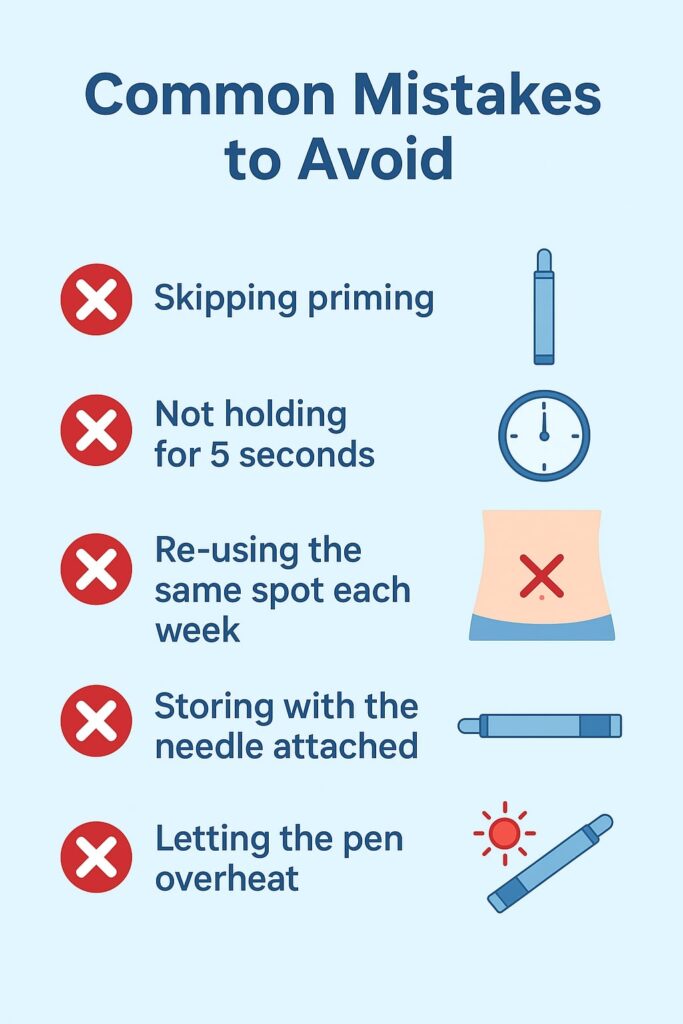
Stick to a Consistent Day Each Week
Consistency strengthens results. Using the dose on the same weekly day supports steady patterns.
Consult Your Healthcare Provider
Personal health history matters. A provider who understands the user’s background can offer the most reliable guidance. Readers may consider independent reviewers for clear, practical insights.
Frequently Asked Questions
Should I take this in the morning or at night?
Either option works because the medicine remains active all week. The choice depends on comfort. Morning offers clearer observation of early sensations. Evening reduces daytime disruption.
Can I take this with meals or on an empty stomach?
It may be used with or without food. People who experience queasiness often feel better using the dose during a meal.
How often should I take this?
It is taken once each week. Selecting a regular weekly day helps maintain stability.
What happens if I take Mounjaro at different times each week?
Effectiveness remains steady, but inconsistent timing may cause confusion or missed doses. A stable routine is easier for long term success.
How long does it take to notice weight loss effects?
People often notice appetite changes within several weeks. Weight changes vary by individual. Continued consistency offers the strongest support for progress.


