

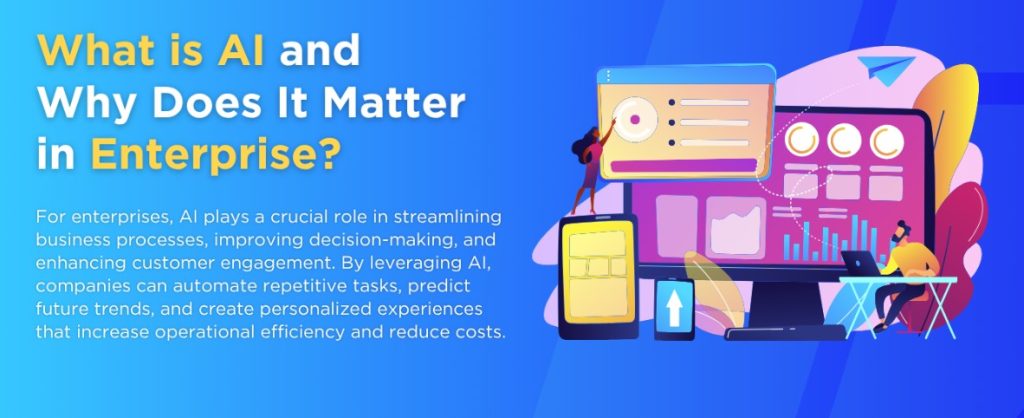
Enterprise leaders face rising expectations around productivity, employee wellness, and service quality. Manual workflows often increase stress, slow output, and drain focus from meaningful work. Artificial intelligence offers practical support by automating repetitive tasks and strengthening insight driven decisions.
Enterprise AI solutions help organizations shift effort away from reactive work patterns. Teams gain space to think clearly, collaborate effectively, and maintain balance. The following sections explain six core process areas that benefit most from enterprise AI implementation.
1. Operational Workflow Management
Operational workflows form the backbone of enterprise performance. When processes rely heavily on manual tracking, teams experience fatigue, errors, and delayed outcomes. AI driven workflow systems reduce friction while improving daily execution.
Smart process automation assists by
• Identifying bottlenecks before delays occur
• Adjusting task allocation based on capacity
• Reducing redundant steps that drain energy
Workflow intelligence also supports wellness by limiting overload. Balanced task distribution lowers burnout risk while improving consistency. Over time, organizations notice improved morale alongside stronger output.
Subtle encouragement to explore AI driven workflow support often begins with a simple consultation to evaluate internal pressure points.
2. Customer Experience and Service Operations
Customer interactions influence both brand trust and employee satisfaction. Service teams managing high volumes without assistance often feel overwhelmed. Enterprise AI solutions introduce structure and responsiveness that benefit both sides.
AI powered service processes assist through
• Intelligent ticket routing based on urgency
• Sentiment analysis to detect frustration early
• Automated responses for routine inquiries
Support teams gain emotional breathing room. Customers receive faster answers without feeling ignored. This balance strengthens loyalty while protecting staff wellness.
Organizations exploring AI supported service improvements often see value through guided assessments before broad adoption.
3. Data Analysis and Decision Support
Decision fatigue affects leaders across industries. Large data volumes increase pressure when insights arrive too late or feel unclear. AI based analytics systems reduce cognitive strain by presenting relevant information clearly.
Enterprise AI improves decision processes by
• Filtering noise from meaningful patterns
• Offering predictive insight rather than raw figures
• Supporting confident planning across departments
Clear insight supports calmer leadership choices. Teams operate with confidence rather than guesswork. Better decisions also prevent overwork caused by constant course correction.
Decision wellness improves when insight flows smoothly and predictably.
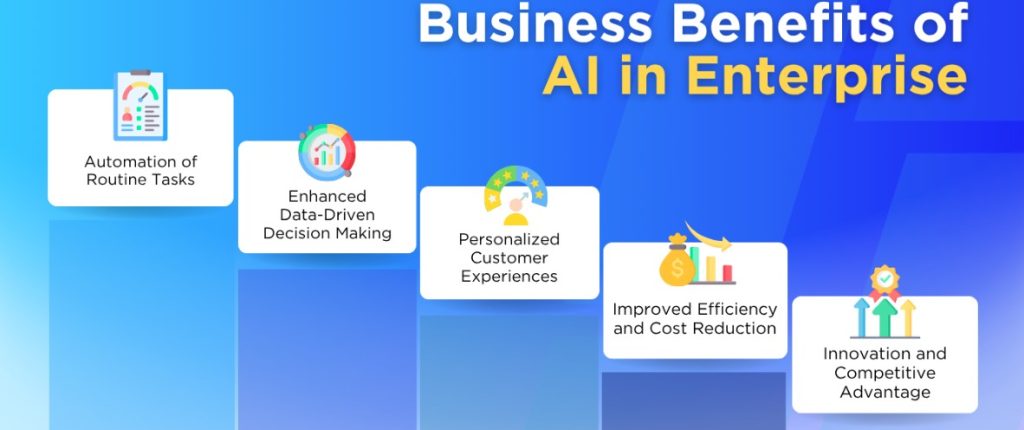
4. Human Resources and Talent Management
People focused processes shape organizational culture. Recruitment, performance reviews, and workforce planning often consume emotional energy. Enterprise AI solutions bring consistency and fairness while reducing administrative load.
AI supported HR processes assist by
• Screening applications based on objective criteria
• Identifying skill gaps without bias
• Supporting personalized learning paths
Employees feel valued when processes appear fair and transparent. Managers spend less time on paperwork and more time on meaningful conversations. This balance strengthens engagement and retention.
Organizations often begin HR automation with small pilots before broader integration.
5. Financial Planning and Risk Assessment
Financial processes demand precision while creating pressure across leadership teams. Forecasting errors lead to stress and resource strain. AI powered financial tools support clarity and emotional steadiness.
Enterprise AI improves financial operations through
• Real time forecasting adjustments
• Early risk pattern detection
• Automated compliance monitoring
Accurate insight lowers anxiety linked to uncertainty. Teams gain confidence when financial signals remain consistent and visible. Calm planning supports long term organizational health.
A careful review of financial workflows often reveals where AI assistance delivers immediate relief.
6. Supply Chain and Resource Coordination
Supply chain disruptions impact both business continuity and workforce stability. Manual tracking increases error rates while draining attention. AI driven coordination systems provide foresight and balance.
AI enhanced supply processes support
• Demand forecasting with seasonal awareness
• Inventory optimization without excess stock
• Logistics scheduling that avoids last minute strain
Operational teams experience fewer emergencies. Predictable planning supports mental clarity and steady performance. Supply chain wellness influences the entire organization.
Exploring AI coordination tools begins with identifying repetitive pressure points within logistics workflows.
Why Enterprise AI Supports Organizational Wellness
Enterprise AI adoption extends beyond productivity metrics. Reduced overload improves mental clarity, job satisfaction, and trust across teams. Healthy processes support healthy people.
Well implemented AI systems
• Lower cognitive strain
• Improve workload balance
• Increase confidence in outcomes
Organizations that view AI as a wellness ally rather than a replacement tool gain lasting value.
How to Approach AI Adoption Thoughtfully
Successful AI implementation requires intention. Rushed adoption creates confusion and resistance. Thoughtful planning supports acceptance and long term impact.
Best practice steps include
• Assessing process stress points
• Engaging teams early in evaluation
• Starting with focused use cases
Professional guidance helps organizations align AI initiatives with both performance and wellness goals. Strategic planning prevents unnecessary disruption.
Subtle Signals That AI Support May Be Needed
Enterprises often overlook early signs of strain. Recognizing these indicators supports timely improvement.
Common signals include
• Repeated delays despite long hours
• Rising error rates in manual tasks
• Employee disengagement during routine work
Addressing these issues early preserves momentum and morale.


